
If you are a marketer or business owner, you have likely felt a growing sense of unease over the past couple of years. Millions of users are skipping traditional search engines entirely. Instead of typing a query into Google, they are asking ChatGPT, Claude, or Gemini for product recommendations, travel itineraries, and technical solutions.
Until recently, when those AI chatbots recommended your brand and a user clicked through to your site, that traffic was incredibly hard to track. It often got lumped into “Direct” or fell under messy referral categories, leaving marketers in the dark.
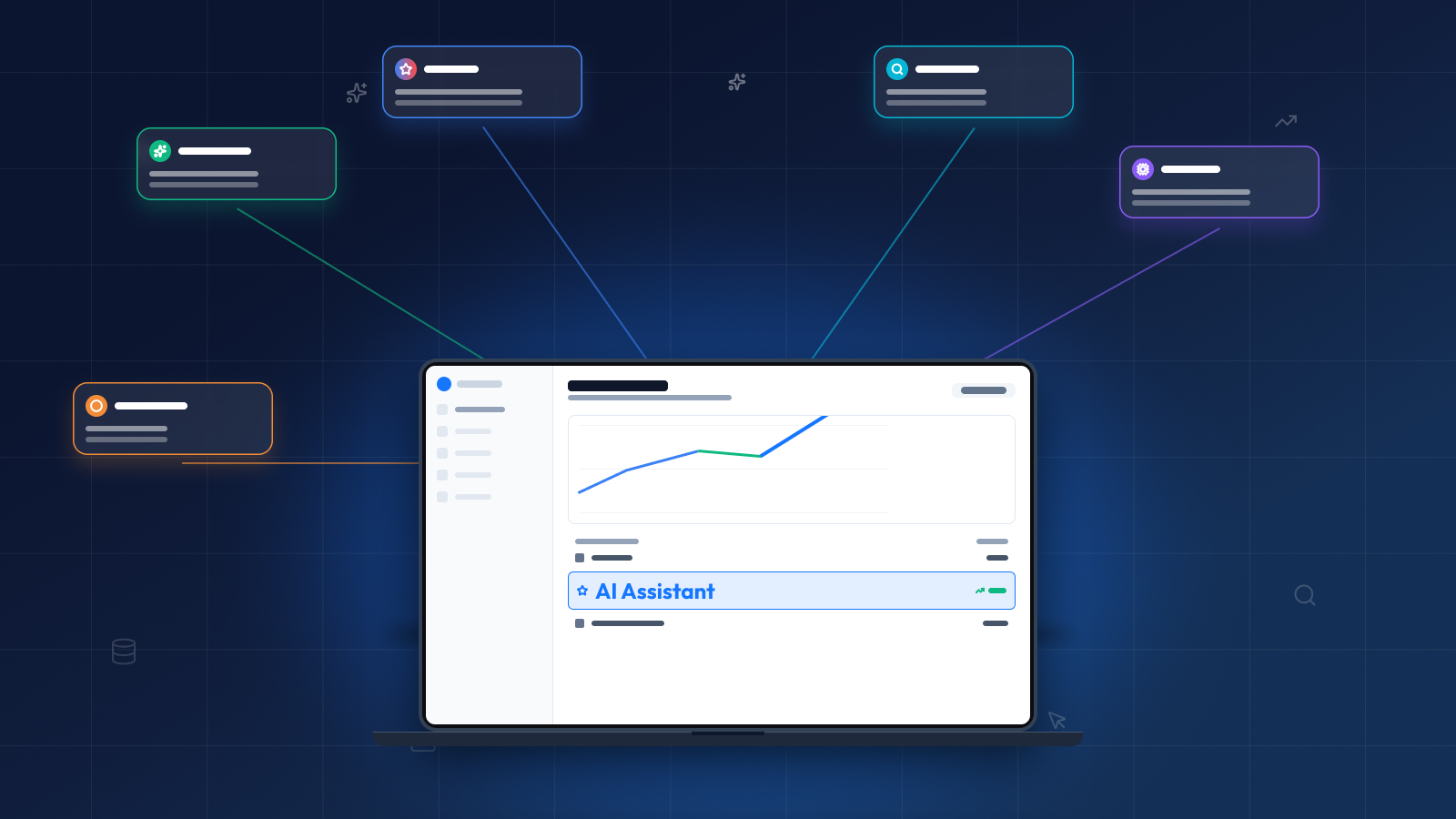
That blind spot is finally being cleared. Google Analytics 4 (GA4) has officially rolled out a brand-new, dedicated AI Assistant traffic channel. This update allows you to measure visits from AI assistants without using custom filters, regex workarounds, or complex tagging.
What’s New in GA4?
Historically, tracking AI-driven traffic required complex, manual workarounds. With this latest update, GA4 automatically recognizes and labels inbound traffic originating from supported LLMs and conversational search tools.
When a user clicks on a link cited by an AI chatbot and lands on your site, Google Analytics automatically assigns that visit to the following standardized parameters:
-
Medium:
ai-assistant -
Channel Group:
AI Assistant -
Campaign:
(ai-assistant)
This means “AI Assistant” will now stand proudly alongside legacy acquisition channels like Organic Search, Direct, Paid Search, and Organic Social in your default reporting dashboards.
How to Access the Data
You do not need to modify your tracking tags to see this new data stream. Simply follow these steps to find your AI traffic:
Why This Matters (The Death of the AI Blind Spot)
Now that you can easily pull up this data, it fundamentally changes how you measure digital marketing success in three critical ways:
-
Accurate Attribution: No more guessing if sudden spikes in “Direct” traffic are actually highly motivated buyers coming from a ChatGPT recommendation. You can now see exactly which AI tools are actively sending traffic to your site.
-
Behavioral & Conversion Analytics: Compare whether visitors from ChatGPT convert at a higher rate than those from Gemini or Claude. Analyze if AI-driven traffic has a higher average order value (AOV) or if these pre-qualified users stay on your site longer.
-
Clear Trend Tracking: Monitor month-over-month growth of AI-driven traffic. Having this data natively tracked in GA4 makes it easy to justify optimization efforts and prove the worth of your AI visibility strategies to stakeholders.
Preparing for the AI-First Analytics Era
The launch of the AI Assistant channel group is a clear admission from Google that the search landscape has fundamentally shifted. To win in this new environment, your content strategy needs to adapt:
-
Format for LLM ingestion: Use clear schema markup, clean bullet points, and authoritative, factual data. LLMs scrape and cite structured, easy-to-digest answers.
-
Prioritize brand mentions: Because AI assistants synthesize information from across the web, digital PR and getting mentioned on authoritative, third-party sites are more important than ever.
By utilizing these new metrics, you can transition your marketing reporting from guesswork to data-backed, AI-optimized success.
Stop guessing where your organic traffic is going.
Between local map packs and new AI chatbots, keeping up with how people find you can feel like a moving target. We’re here to help you navigate it all with real, human-led SEO that actually grows your bottom line. Because we believe in keeping things completely transparent, we built our LaunchPad dashboard to show you exactly what’s working. Even better? We’re about to roll out native AI Assistant traffic tracking right inside your dashboard, so you can see exactly when ChatGPT, Claude, or Gemini are recommending your business.
